ROME, ITALY, 16 October 2026
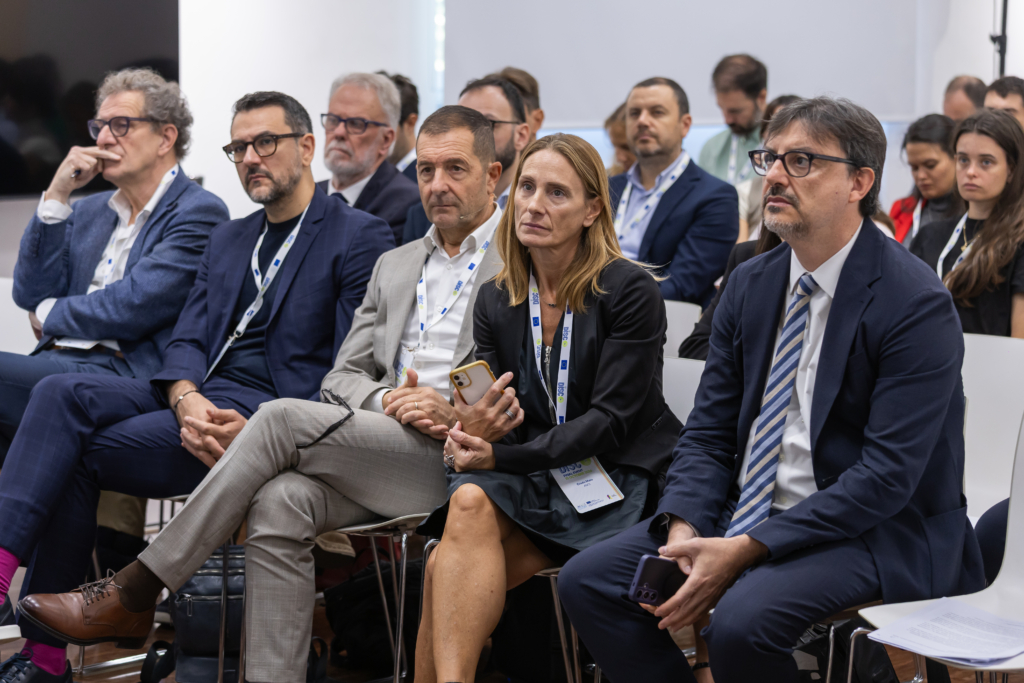
The Horizon Europe project DISCO held its final event on Thursday 16 October at Palazzo Merulana in Rome. After 42 months of work, the conference brought together representatives of cities, European institutions and companies from across Europe and the United States. More than 100 experts from all Europe and North America presented results and new perspectives on urban logistics in the digital age.
Launched in May 2023 and coordinated by FIT Consulting, DISCO brought together 48 partners, including cities, universities, research centres and private companies. Its 12 European cities and territories, among them Copenhagen, Ghent, Helsinki, Barcelona, Padua and Thessaloniki, served as real-world laboratories for new ways of planning and managing goods, space, capacity and services.
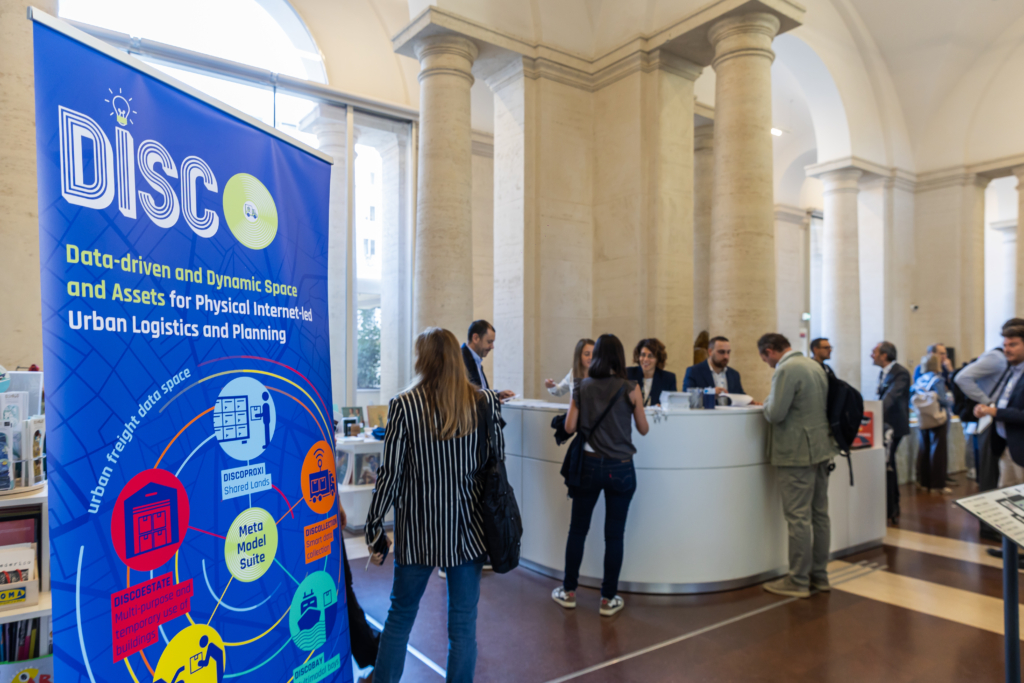
The project took its name from a simple idea. Music moved from exclusive ownership to shared, flexible use, and urban logistics can do the same. DISCO connects data, demand, spaces, capacity and services, turning isolated resources into shareable components of an integrated system that adapts to the city, rather than the other way around.
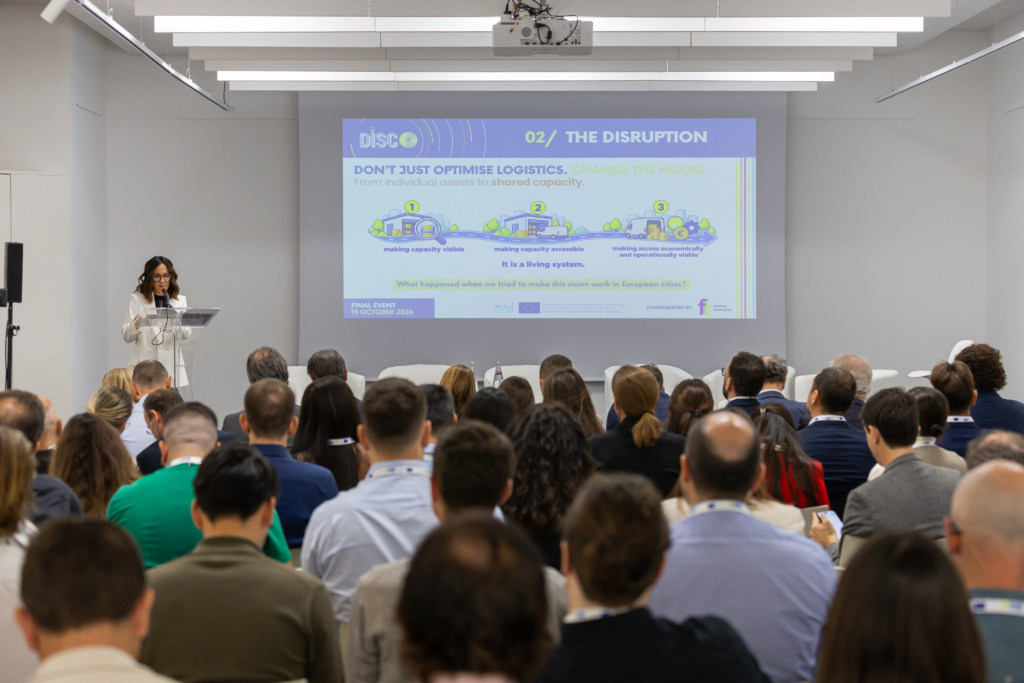
Paola Cossu, CEO of FIT Consulting and DISCO coordinator, said: “Our cities already have spaces, infrastructure and capacity that we often do not fully know about or use. Digital technology can make them visible, connect them, and make them accessible when needed.”
Opening and institutional session. The day began with an opening speech from Paola Cossu (full text here) and a welcome from Eugenio Patanè, Mobility Councilor for Roma Capitale.
Eugenio Patané, Deputy Mayor for Mobility of the City of Rome, opened the gathering by emphasising the role of digital innovation in achieving urban climate neutrality: “Urban logistics represents both our greatest challenge and our most critical opportunity in decarbonising European cities. Thanks to the DISCO framework, we are moving from reactive traffic control to proactive, intelligent space management.”
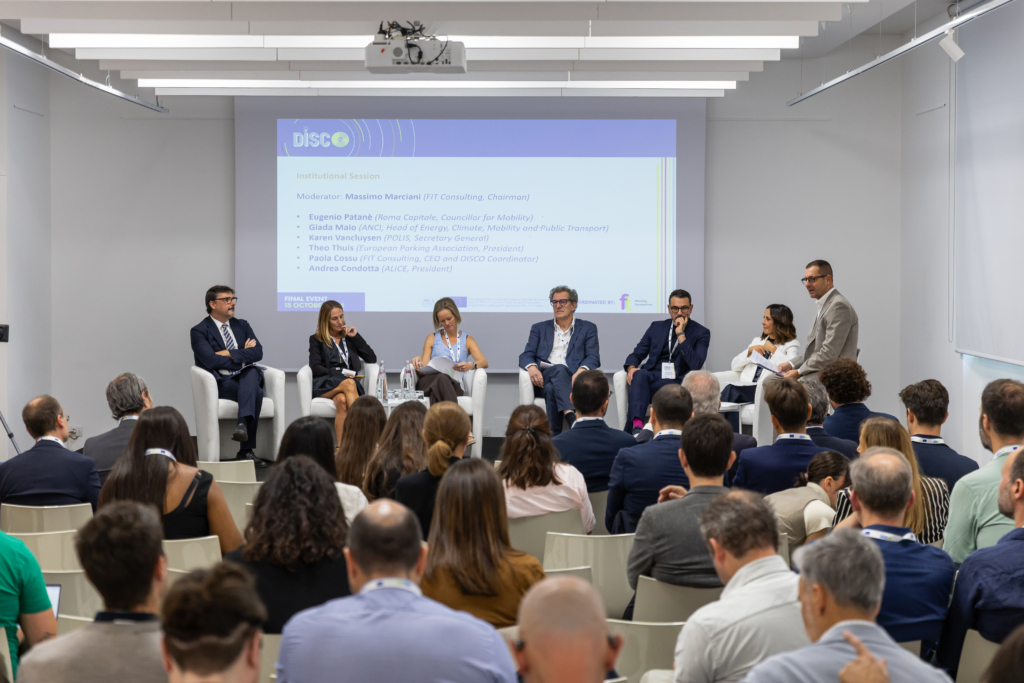
An institutional session moderated by Massimo Marciani, Chairman of FIT Consulting, followed. Panelists included Karen Vancluysen (POLIS), Giada Maio (ANCI), Theo Thuis (European Parking Association) and Andrea Condotta (ETP-ALICE). The session confirmed broad support among cities, networks and industry for treating logistics as part of the urban system, planned around real demand and available capacity, and for continuing this cooperation beyond the project.
Innovation in urban logistics and the use of urban space. A morning panel led by Paola Astegiano of FIT Consulting brought together operators including UPS, La Poste and ACS Courier and Postal Services, alongside Roma Servizi per la Mobilità and the ITL Foundation. The discussion showed that better use of existing urban space depends on closer collaboration between public authorities and operators, and on sharing the data that makes spare capacity visible.
Digital technology in last-mile delivery. Anne Goodchild of the University of Washington’s Urban Freight Lab opened the afternoon, followed by researchers from Politecnico di Milano, INLECOM and CERTH. Their contributions illustrated how data and digital tools can help cities and operators understand, plan and manage last-mile logistics, and how research results can be translated into practical tools for planners.
Round table on the digitalisation of urban logistics. Moderated by Raimondo Orsini, the discussion brought together the European Commission, NetZeroCities and consulting and research centres from Germany and Greece. It stressed that digitalisation and data sharing can support cities’ climate-neutrality goals, and that project results should now feed into policy and planning practice at local and European level.
Round table on Physical Internet and logistics as a service. Moderated by Thato Motloung of Breda University of Applied Sciences, the session drew on experience from Belgium, the United States and Greece. It underlined the potential of shared, interoperable logistics services and identified the cooperation between operators and cities needed to apply Physical Internet principles in real operations.
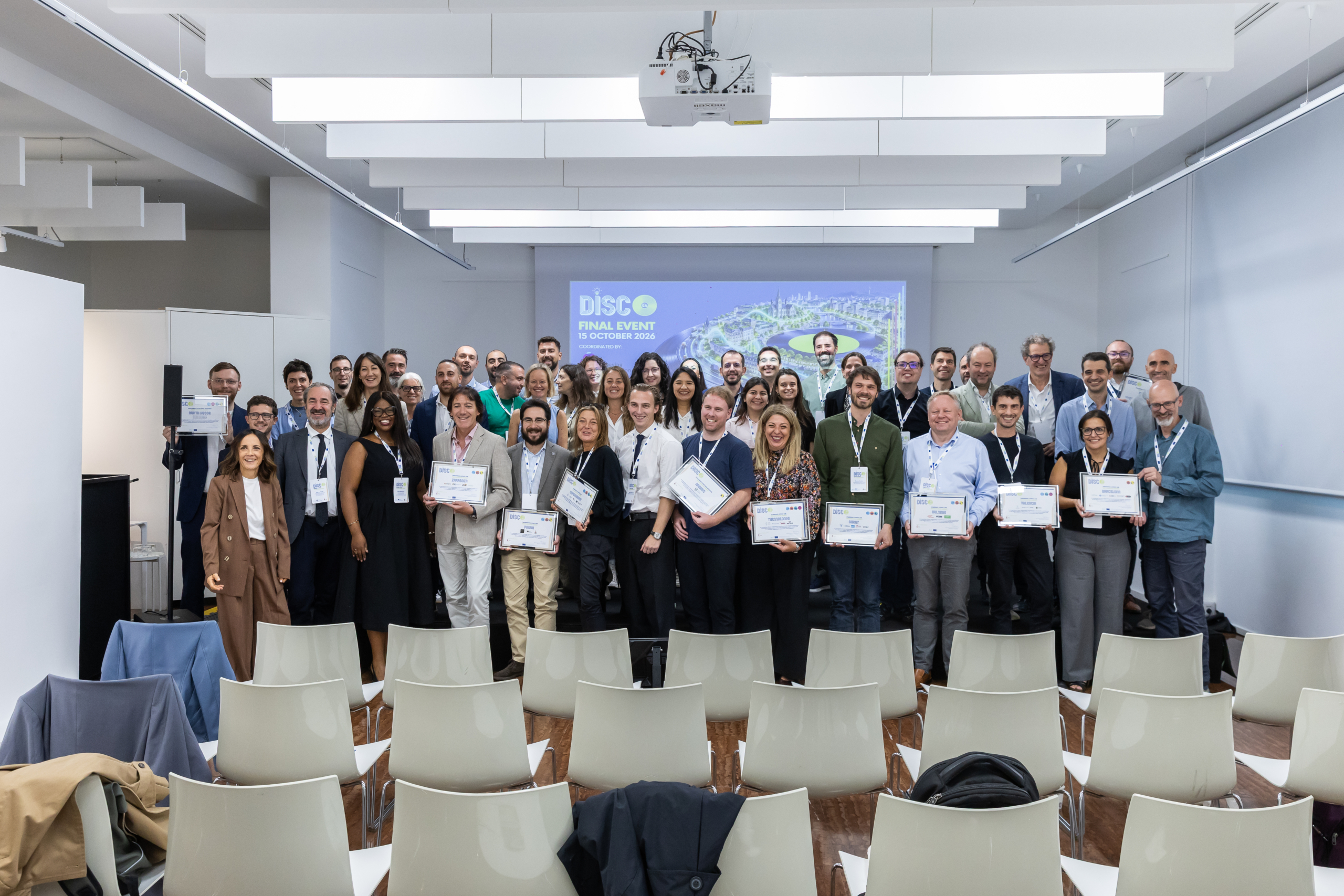
DISCO Cities and Regions on Stage. Partner cities presented first-hand the results achieved in their territories, showing how DISCO’s approach was tested and adapted to very different local contexts. An award ceremony recognised all participating cities and marked the network built over the course of the project.
The event also looked past DISCO’s lifetime, asking how the experience gained in the participating cities can become replicable models for planning and managing urban logistics across Europe.
To ensure a lasting impact, key deliverables are right around the corner: the comprehensive DISCO policy package and the updated SULP (Sustainable Urban Logistics Planning) Guidelines will be released soon to help local authorities and planners implement zero-emission, data-driven freight solutions. In the meantime, practitioners can continue accessing project tools, case studies, and practical resources through the DISCO Knowledge Hub.